
Kédougou Chronicles: Join Me
Today is the best day to join me in launching the Kédougou Institute, a new non-profit dedicated to fighting for one special place and to building models of progress to share with the world.

by Christopher Hedrick
The Kédougou Chronicles - Issue #1
Why The Kédougou Institute?
Turns out, the world does need one more NGO. But a different one. One not only focused exclusively on a unique place but also dedicated to innovating, learning, and sharing with the rest of the world. An organization that is of and for an isolated and impoverished part of the Sahel, but that, at the same time, has the ability to link that region to global expertise and resources in a two-way exchange to build models that will be useful for the rest of the world.
That’s the Kédougou Institute.
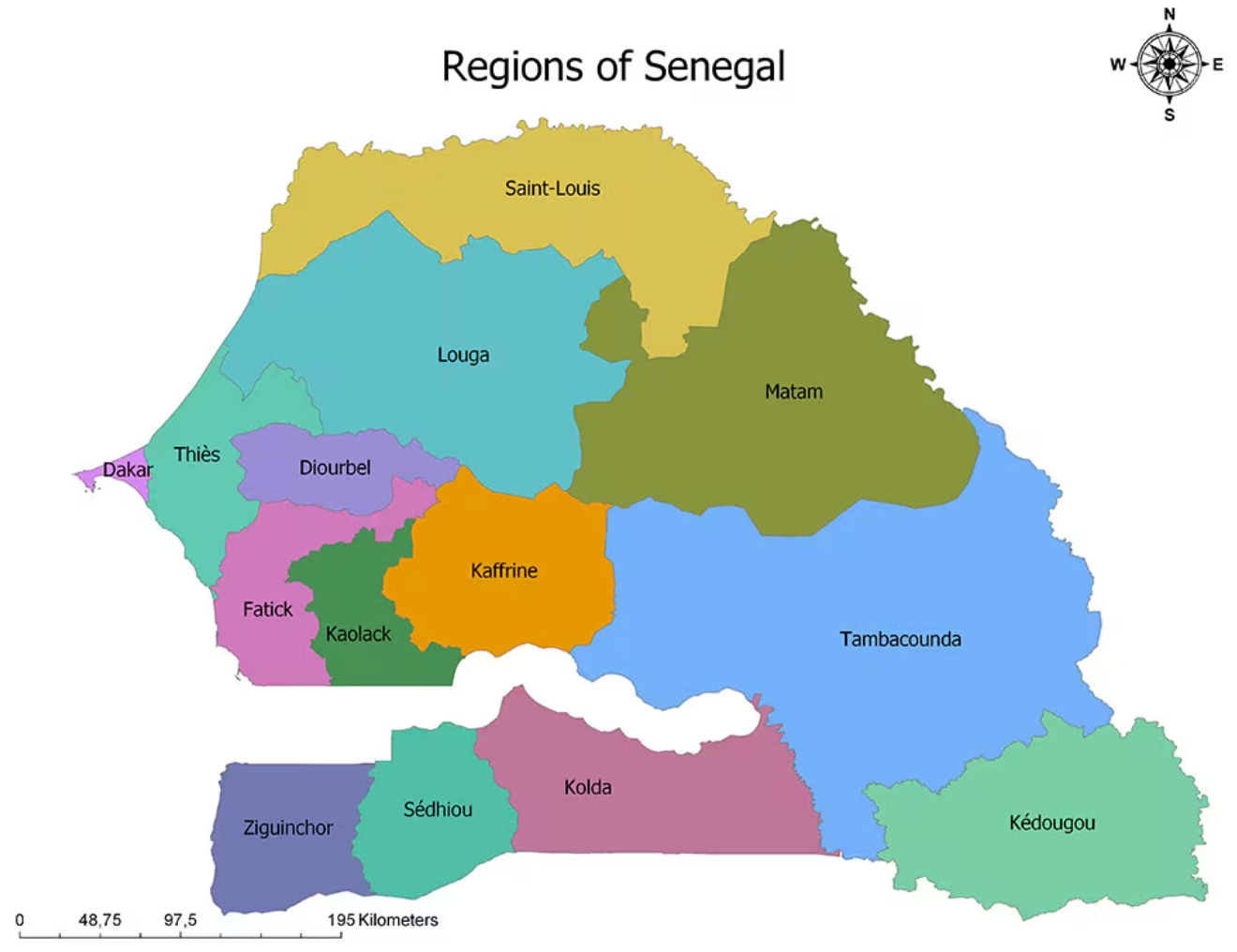
I am biased, but I believe that Kédougou, the southeastern region of Senegal, is special and has much to offer the rest of the world: a rich cultural heritage, unique natural resources and beauty, and a vibrant population determined to build better opportunities for future generations.
I first lived in the Kédougou region, in the village of Dindefelo, while serving as a Peace Corps volunteer from 1988 to 1990. The place and the people of Kédougou have been close to my heart, and part of my family, ever since. In a future post, I’ll share more about my personal journey and four decade relationship with Kédougou and why I feel a sense of urgency about the work of the Kédougou Institute.
Kédougou faces tremendous challenges: high disease burden, unpredictable climate change, the social and environmental consequences of the gold mining industry, rapid population growth, crowded classrooms, and other barriers to prosperity, peace, health, and environmental quality. With these tests come genuine opportunities to build collaborative solutions for a better future. That's why the Kédougou Institute was founded.
Please join me in following the journey of the Kédougou Institute and helping to shape its path by becoming either a free or a paid subscriber to the Kédougou Chronicles. All revenue from paid subscriptions supports the Kédougou Institute’s grassroots initiatives in Senegal. The Kédougou Institute is a U.S. tax exempt non-profit corporation.
What does the Kédougou Institute do?
The Kédougou Institute:
Supports locally-focused development progress in the region of Kédougou
Provides a central source of information and documentation about the region’s progress and challenges, and
Works with global and local partners to innovate, test, refine, and document useful development solutions that may serve as models for the rest of the world.
Crafting solutions to our shared development challenges often requires addressing systemic national and international issues. The process of addressing tough issues benefits from global knowledge, resources, and expertise, but, if they are going to endure, those solutions must also be explicitly place-based, informed deeply by local experiences and situations. We aim to help build those solutions in Kédougou.
Kédougou Institute projects are focused on key development and sustainability challenges facing the region. Each of these initiatives builds upon and is informed by past efforts and is in collaboration with local governments, civic organizations, and communities. These are the initiatives we are building right now:
(Much more information to come on each of these initiatives in future issues of the Kédougou Chronicles and at Kédougou.org.)
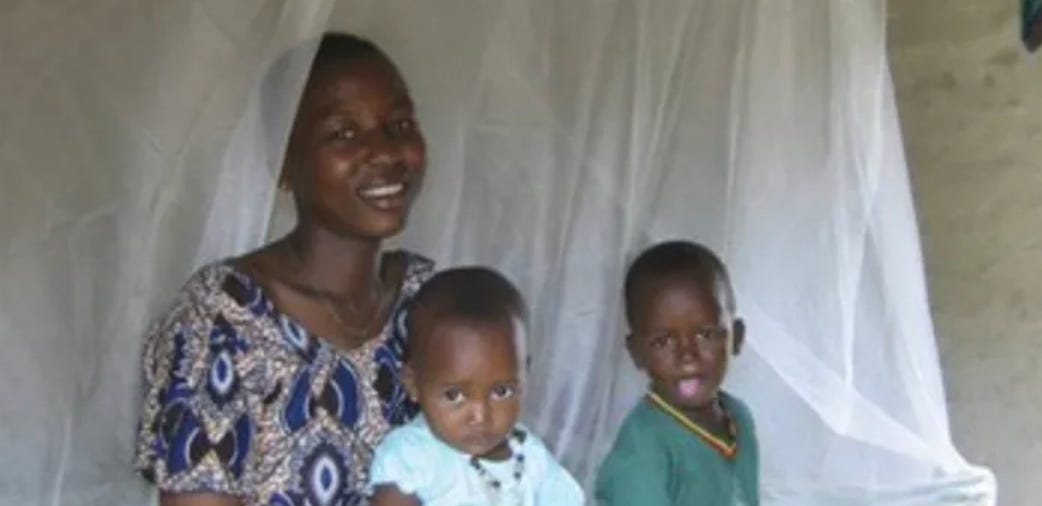
Malaria Free Kédougou
For nearly 20 years, globally-recognized innovation in the fight against malaria has been rooted in published research conducted in Kédougou, often emerging from collaboration between Peace Corps volunteers, their local counterparts, and local public health agents, with technical support from Senegal-based staff of the Center for Disease Control. The Malaria Free Kédougou initiative works to accelerate progress toward eliminating malaria as a cause of death in Kédougou, the most malaria-endemic region of Senegal. The recent elimination of U.S. support for malaria control makes this work more difficult and more urgent. (More on this effort below and in a Kédougou Chronicles post next week.)
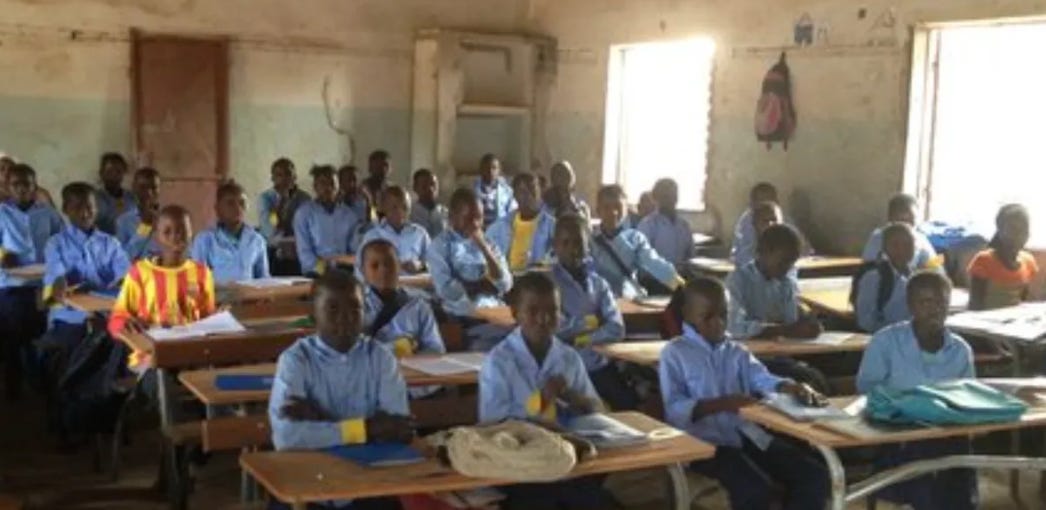
Brilliant Kédougou
The Brilliant Kédougou initiative, a collaboration between Kédougou Institute and the international education NGO Digital Promise, aims to accelerate access to high-quality educational resources with a focus on empowering more students to progress to high school. Brilliant Kédougou will ensure that every middle school in the region, beginning with four in 2025, has a computer lab equipped with educational and test preparation resources, clean water, improved sanitation, and support for practical lessons on public health, malaria prevention, agriculture, and forestry. While equal numbers of boys and girls now attend primary and middle school in the Kédougou region, many fewer girls go on to high school and instead end up being married as teenagers, their life prospects suddenly and irrevocably constrained. We aim to create more opportunities for every child in Kédougou to pursue a brilliant future.
Green Kédougou
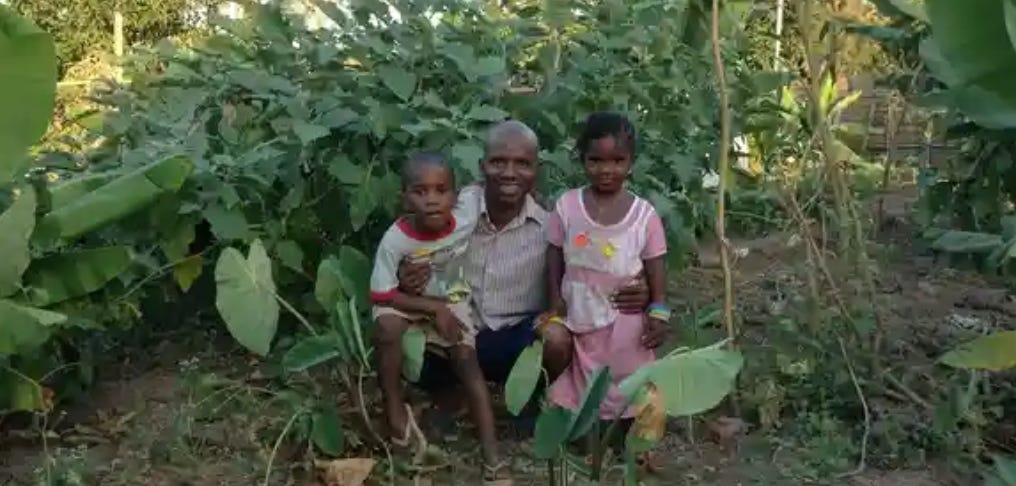
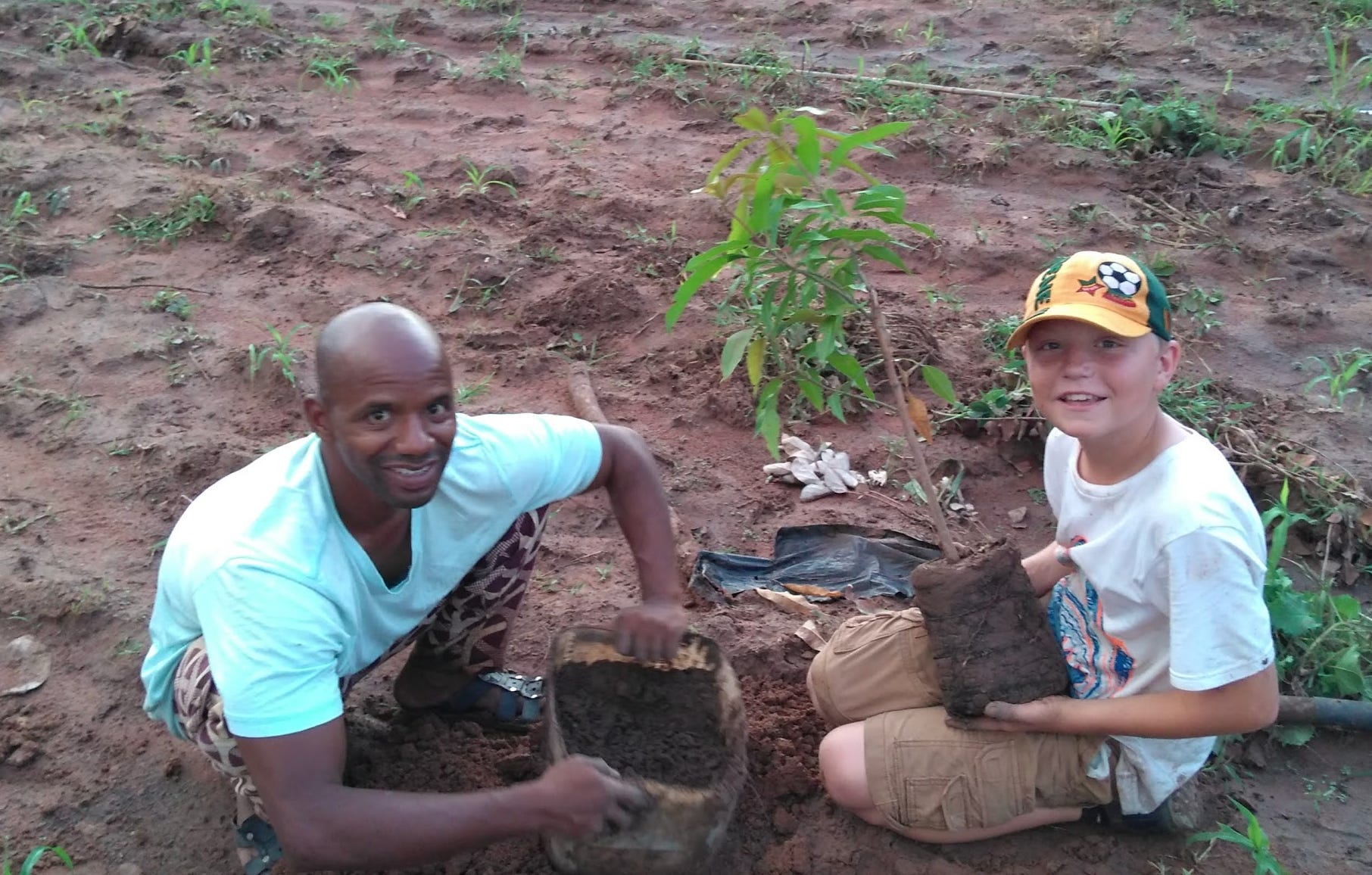
The Kédougou region is experiencing severe negative consequences of global climate change, exacerbated by regional deforestation. The Green Kédougou initiative supports work to mitigate the impact of climate change and deforestation on the people and ecology of Kédougou, with a focus on investing in proven agroforestry practices.
Info Kédougou
Transparency about successes, failures, and lessons learned in development informs better decisions about allocating scarce resources. Info Kédougou will provide an unbiased clearinghouse for regional information, measurement and evaluation, and analysis about development progress in Kédougou.
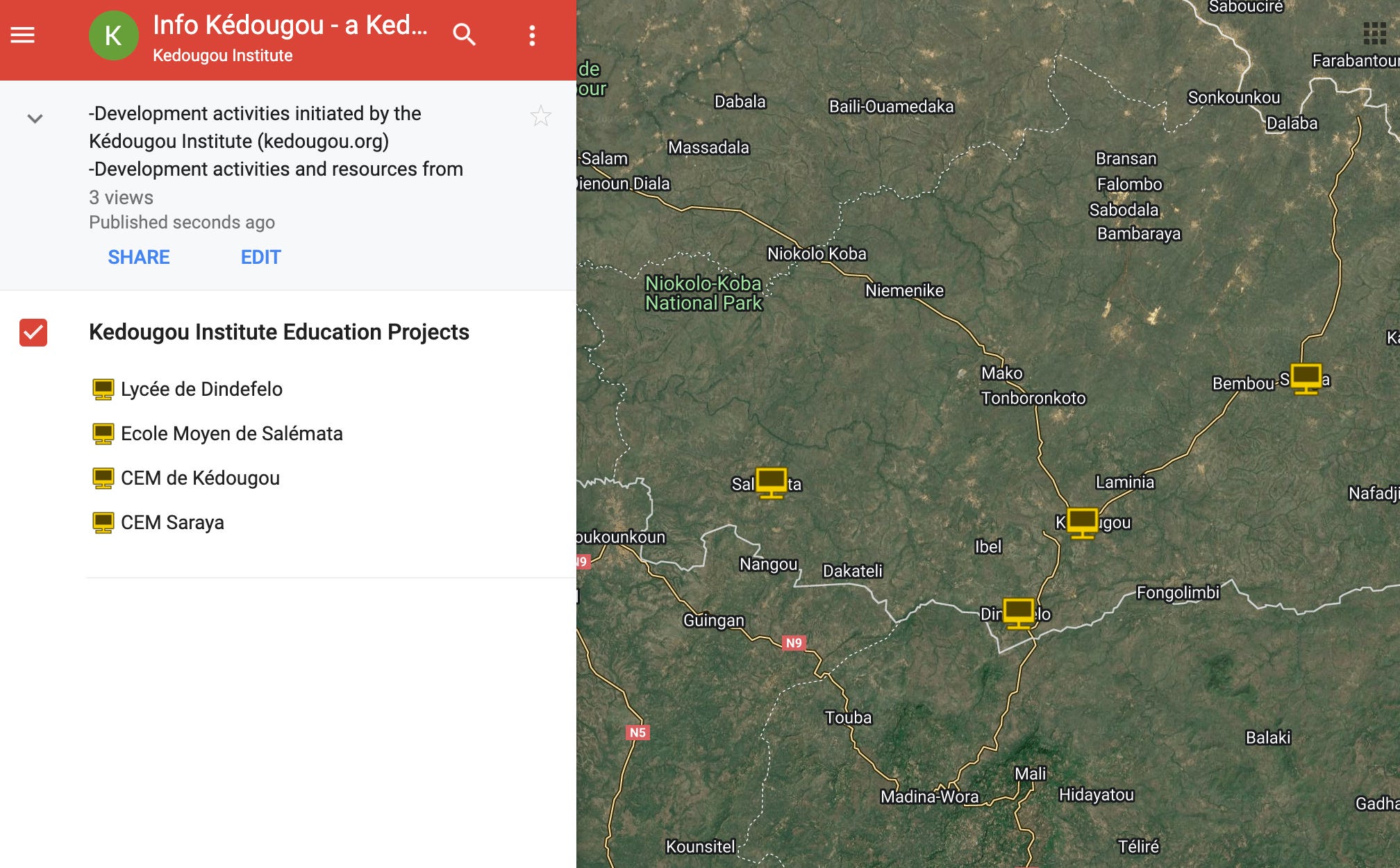
One of the first Info Kédougou projects will be a multi-layered map of current and past development projects in the region, including those supported by the Kédougou Institute.
Why now?
The best time for me to plant a tree was 37 years ago in the village of Dindefelo. The next best time is today.
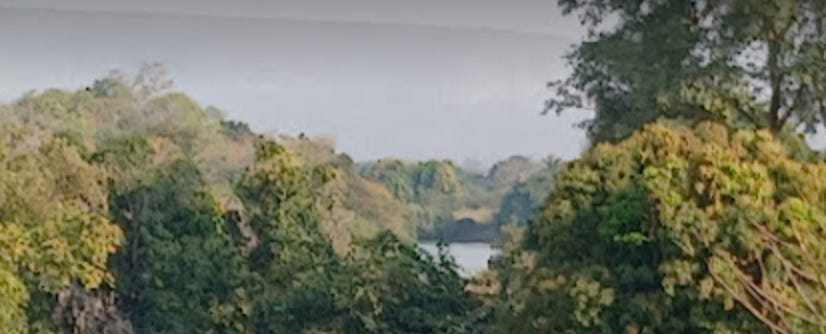
The people of Kédougou have made tremendous progress in reducing disease, improving nutrition, expanding access to education, and raising income levels over recent decades. But, much of that progress is threatened by the overnight elimination of nearly all US government development assistance, including the shutdown of the President’s Malaria initiative, which was the primary source of the vast majority of malaria prevention, testing, and treatment supplies in Kédougou, and across much of Africa.
I’ll share more details about this precipitous and irresponsible decision and its impact in a future post. Because of the work of thousands of dedicated public health professionals and support of governments and philanthropy, malaria deaths have fallen by half over the past 20 years, but still about 50,000 people, nearly all of them children under the age of five or pregnant women, die each month from the disease. That figure will surely rise if bed nets, diagnostic tests, and curative treatments are no longer available to the most vulnerable people on the planet.
Kids from Kédougou will suffer and die unnecessarily during the coming rainy season without an initiative to replace those supplies and keep community health workers on the job. The Kédougou Institute is working urgently on that right now, and I’ll share news on that effort and how you can help in a coming post.
The Kédougou Chronicles Community
I am inviting you today to join the Kédougou Chronicles community. Here’s what you can expect from me:
Every week you will get 2 posts from me, or guest writers, about the work of the Kédougou Institute, information and stories about the region, and profiles of the people of Kédougou. If you don’t already know Kédougou, you will learn about its unique beauty, and I predict that you, too, may fall in love with the place and its people. If you do know Kédougou already, you will be able to connect with this community of shared interest and you will be provided with a diverse array of options about how to get involved again.
Each post will also be narrated and available in podcast format, if you would rather listen to than read the Kédougou Chronicles. Soon all posts will also be published and narrated in French, as well.
A weekly podcast interview of someone who can share their perspective and stories about Kédougou, about Senegal, and about the issues that face Kédougou and places like it across the world.
Updates about the work of the Kédougou Institute. We’ll share our strategies and initiatives in real time and ask for your advice and feedback. We’ll share when there is progress and be transparent when something doesn’t work. I want the Kédougou Institute to be a different kind of NGO, one that begins—today—with a culture that fosters collaboration and openness. I’ll share more about that perspective and our cultural values in a future post.
Ability to post comments and join the Kédougou Chronicles community.
Paid subscribers ($5/month or $50/year) will also receive:
Satisfaction at knowing that their subscriptions go directly to support the work of the Kédougou Institute.
Participation in once a month Kédougou Chronicles live video calls or online chats, which will include Ask Me Anything sessions, interviews with people involved in our work, and guest speakers with expertise on the issues facing Kédougou.
Invitations to participate in Kédougou Institute-sponsored trips to Senegal, with discounted in-country travel and facilitation of logistics.
Those subscribing at the Founder level of $150/year will also, in addition to my personal gratitude and what’s listed for the subscriptions above, receive recognition in this newsletter and on the Kedougou Institute website receive an original piece of art or fabric from Senegal or a print suitable for framing of a photographic collage of people and places in Kédougou.
What you can do
Here’s what you can do to help build the Kédougou Chronicles community:
Subscribe!
Spread the word! Share the Kédougou Chronicles with anyone you think may be interested not just in the specific work of the Kédougou Institute, but also anyone who is interested in Africa, international development, the Peace Corps, public health, education, climate change, agriculture and forestry, or African culture and cuisine. We will be providing a genuine, unvarnished perspective on life and challenges in rural Africa and you’ll get to know some fascinating people along the way. Share this link directly in email or on any social media.
Participate! Participation can mean commenting on posts and podcasts, giving advice about our work, supporting particular projects, and spreading the word. If you have photos, videos, or recordings from Kédougou, please send a copy and we’ll share them here, on the Kédougou.org website, or on our social media.
Contribute! All revenue from paid subscriptions goes to support the work of the Kédougou Institute. If you want to give directly to the Kédougou Institute, online contributions can be made here.
In future posts, I’ll detail opportunities to support specific aspects of different initiatives. If you have any questions, please send me a message.
You can also give gift subscriptions here:
Thank you sincerely for reading the first issue of the Kédougou Chronicles and for your support and participation in this journey. Ajaraama buyi! (Thanks very much!)
-Christopher Hedrick
(Moustapha Diallo in Dindefelo)